Scientist To Go
Connecting students and scientists.
Our Scientist To Go program allows for students to virtually meet with a wide range of scientists and to learn about real, ongoing scientific research, scientific career paths, and more.
Project Goals:
- Expose students to a diverse group of scientists and science career paths.
- Demonstrate science in ways that students may not see in a traditional classroom setting.
Our Scientist to Go program allows for students to meet with a wide range of scientists and to learn a little bit more about what they do. These 45 minute sessions are made up of around 20–25 minutes of presenting from a scientist and around 15–20 minutes of questions and answers from students.
Upcoming Events
If there are no events listed, check back soon!
-
NOV03
Scientist To Go with Dr. Markus Frederich
Join Markus as he discusses his research on the European Green Crab and how they function in their environment!
-
Gulf of Maine Temperature Report: Summer 2026
Over the past decade, our scientists have led a body of research that highlights temperatures in the Gulf of Maine. To keep you informed, we …
Reports
-
GMRI Scientist Helps Set the Research Agenda for Future U.S. Climate Assessments
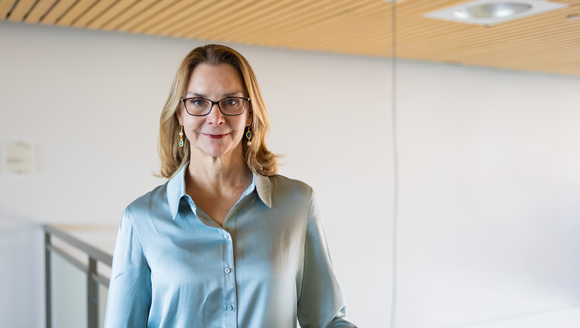
Our Chief Scientific Officer, Dr. Janet Duffy-Anderson, co-authored a new commentary identifying the research priorities that will shape the next generation of U.S. climate assessments, …
Announcements
-
2025 – 26 Education Impact Report: 10 Years of Learning Ecosystems Northeast
Read on to see some of the ways our education team made an impact across the state and beyond in the 2025 – 2026 school …
Perspectives
-
10 Years of Learning Ecosystems Northeast: Sherri Calhoun's Journey
Learning Ecosystems Northeast is celebrating its 10-year anniversary this year. We asked one longtime LENE participant how the program has shaped her career.
Perspectives