Anadromous Fish 101
Perspectives | Apr 10, 2026
Every year, millions of fish make a journey that defines one of nature’s most remarkable life cycles. Read on to learn more about anadromous fish.
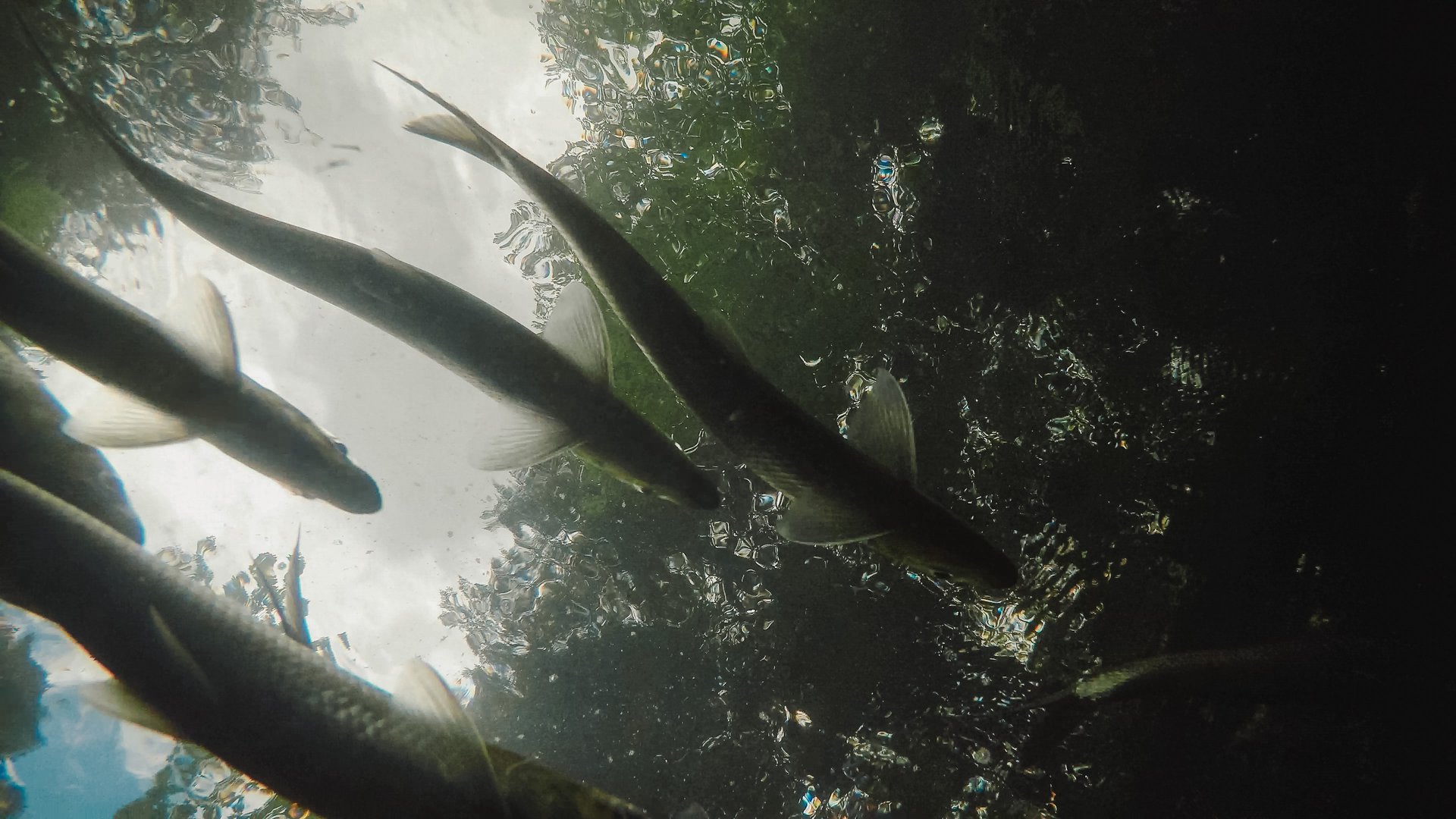
Anadromous fish spend most of their lives navigating the vast expanse of our saltwater oceans before returning to freshwater rivers and streams to spawn.
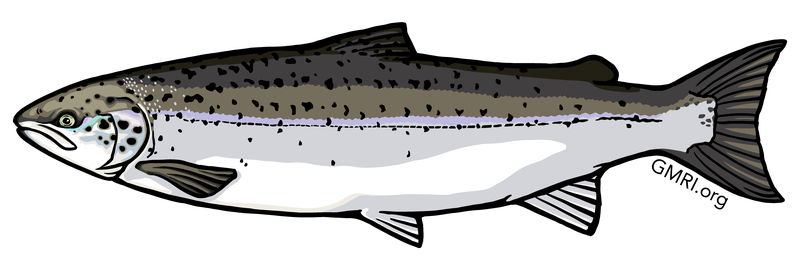
The word “anadromous” comes from Greek roots meaning “running upward,” a reference to the upstream journey these fish make to reproduce. Around the world, many well-known species follow this pattern, including Pacific salmon, which migrate thousands of miles from the ocean back to the very rivers in which they were born. Unlike Pacific salmon, which invest all of their energy in one final spawning migration at the end of their lives, many anadromous Atlantic species repeat the cycle annually by conserving enough energy to return back to sea each year.
This life strategy allows fish to access bountiful ocean feeding grounds in adulthood while relying on relatively safer freshwater habitats for spawning and early development.


Anadromous fish in the Gulf of Maine
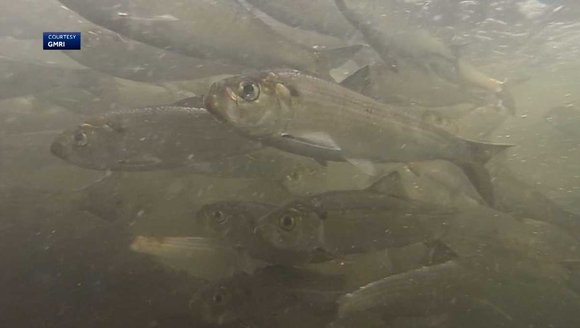
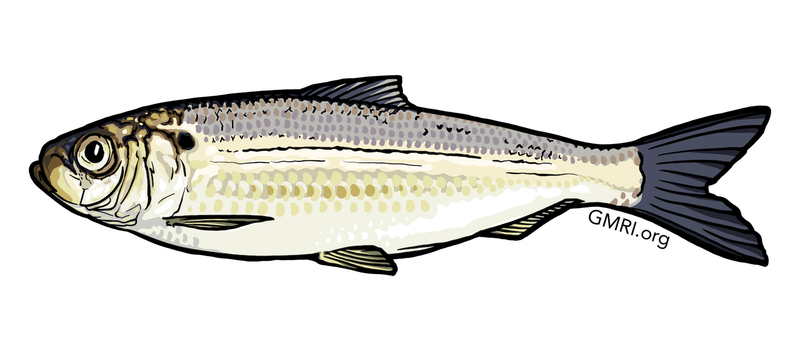
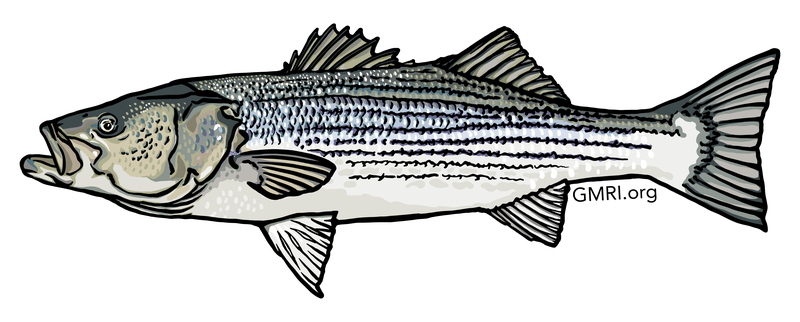
The Gulf of Maine supports several anadromous species that play an important role in coastal and marine ecosystems, including alewives, blueback herring, American shad, striped bass, and Atlantic salmon.
Each spring, these fish migrate from the salty ocean into rivers across Maine and New England, often traveling surprising distances inland to reach their natal spawning grounds. For many communities, these seasonal runs are a visible signal of spring. In some rivers, thousands of fish move upstream over a short period of time.
A bridge between worlds
Anadromous fish are important connectors between ocean and freshwater ecosystems, shaping both environments in visible and lasting ways.
Anadromous fish feed and grow in the ocean, then carry marine nutrients into rivers and streams during their migration home to their spawning grounds. When species like alewives return to freshwater lakes and ponds, they bring with them nutrients such as nitrogen from far offshore.
These migrations create predictable pulses of food for wildlife. For a short window each year, these fish concentrate energy from the ocean into something dependably accessible to a wide range of species. During spring runs, it’s common to see ospreys and gulls circling above rivers or perched nearby, taking advantage of the abundance of fish moving upstream. Bald eagles, herons, and other birds also gather along these routes, while seals and larger fish often wait at river mouths for the same opportunity.
Many of these fish do not make it back to the sea and the nutrients anadromous fish transported inland enter freshwater food webs, where they support aquatic insects, mammals, trees, birds, and the fish that feed on them. In some systems, these seasonal inputs help drive productivity for much of the year.
In Maine, river herring runs — alewives and blueback herring — have long been a seasonal event that people can observe firsthand. The scientific name for blueback herring – Alosa aestivalis – reflects this, meaning “spring herring” in Latin. At sites with fish ladders or stream crossings, thousands of fish can pass through in a single day, drawing attention from local residents and visitors alike.
Anadromous fish have also supported people and fisheries across the region since the retreat of the glaciers at the end of the most recent Ice Age. American shad and river herring were once harvested in large numbers for food and fertilizer and continue to contribute to local economies today, primarily for lobster bait. For many coastal and river communities, these fish remain part of local traditions and seasonal rhythms, and they hold ongoing cultural importance for Indigenous peoples who have stewarded these resources over time.
For the Wabanaki people, alewives hold deep cultural significance. They are considered sacred and are closely tied to cultural identity, providing a vital spring food source and a strong connection to rivers and seasonal cycles. The return of alewives each year is recognized as a renewal of life and is honored through ceremonies, offerings, and feasts.
Alewives are often described as “the fish that feeds all” and are regarded as a relative in Wabanaki culture — reflecting a relationship that extends beyond resource use to a deep, spiritual connection.
Threats and opportunities
Many anadromous fish populations face ongoing challenges. Barriers like dams and undersized culverts can limit access to spawning habitat, preventing fish from reaching upstream rivers and lakes. Even when passage is possible, delays or difficult conditions can reduce spawning success and limit the number of fish that make it to suitable habitat.
Climate change is also affecting migration timing. Warmer waters, increased precipitation, and changing river flows can dictate when fish begin their journeys, sometimes altering the conditions they encounter when they arrive to spawn. In some cases, these changes can lead to mismatches between migration timing and the environmental cues that support successful reproduction. Seasonal changes in fall precipitation patterns can also leave juvenile alewives stuck in their natal ponds, waiting for enough flow to allow them to make their way downstream.

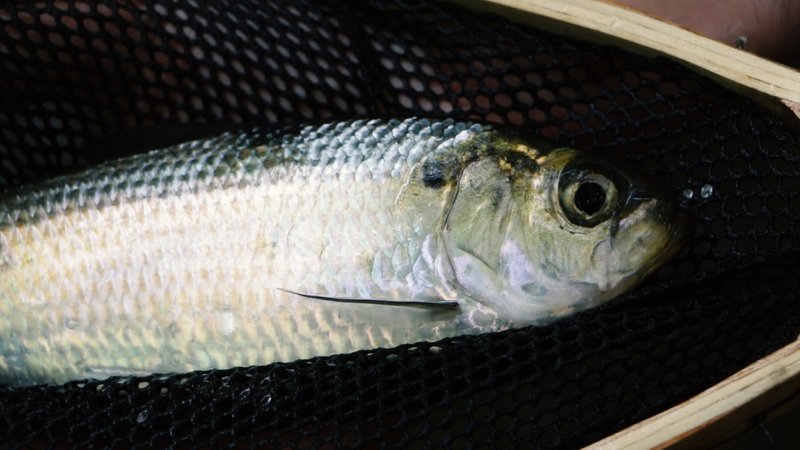
At the same time, there are signs of adaptability. In the Gulf of Maine, alewives have shown an ability to use a wider range of ponds, lakes, and impoundments for spawning. As access improves in some places — through dam removal or upgraded crossings — and conditions shift across the region, these fish are not relying on a single river system. Instead, they are spreading their spawning activity across multiple watersheds.
This broader distribution can act as a form of resilience. If one river becomes temporarily inaccessible due to flooding, drought, or barriers, other runs may still support successful spawning. Over time, this pattern can help sustain populations across the region, even as local conditions vary from year to year.
Strengthening connections
Efforts are underway across the region to improve conditions for anadromous fish and restore access to the habitats they depend on.
Projects that remove dams or upgrade culverts can reopen miles of rivers and streams, allowing fish to reach spawning grounds that have been inaccessible for decades. Monitoring programs track fish populations and migration timing, helping researchers and resource managers understand how these species are responding to environmental change. This information supports decisions about where to prioritize restoration, how to design effective fish passage, and how to manage rivers in ways that benefit both ecosystems and communities.
These efforts strengthen the connections between ocean and inland waters. When fish are able to complete their migrations, the benefits ripple outward: rivers become more productive, wildlife has access to seasonal food sources, and communities regain a visible link to the natural cycles that shape the region and cultural traditions.
Alewife Migration E-Guide
We're excited to offer you the Alewife Migration Guide. This guide was developed in collaboration with Presumpscot Regional Land Trust and allows you to embark on a self-guided tour of the alewife migration through Mill Brook Preserve. Whether you're a seasoned naturalist or a curious observer, you'll find valuable insights into alewife ecology, viewing protocols, and more.