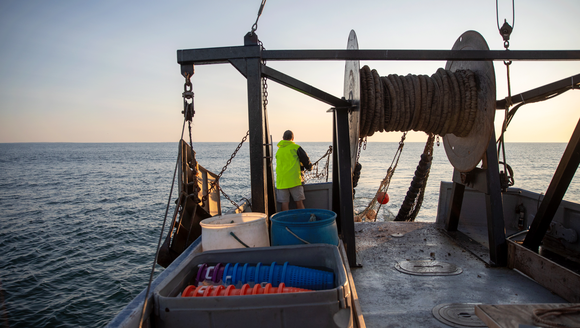
The Ocean Is Changing. Fisheries Around the World Can Face It Together.
Perspectives | Jun 30, 2026
Climate change is reshaping fisheries around the world, and the knowledge being generated in response, from the Gulf of Maine to the Mediterranean to the Pacific and beyond, is more useful when it's shared. FishSCORE2030 is a global network built to do exactly that. Read more.
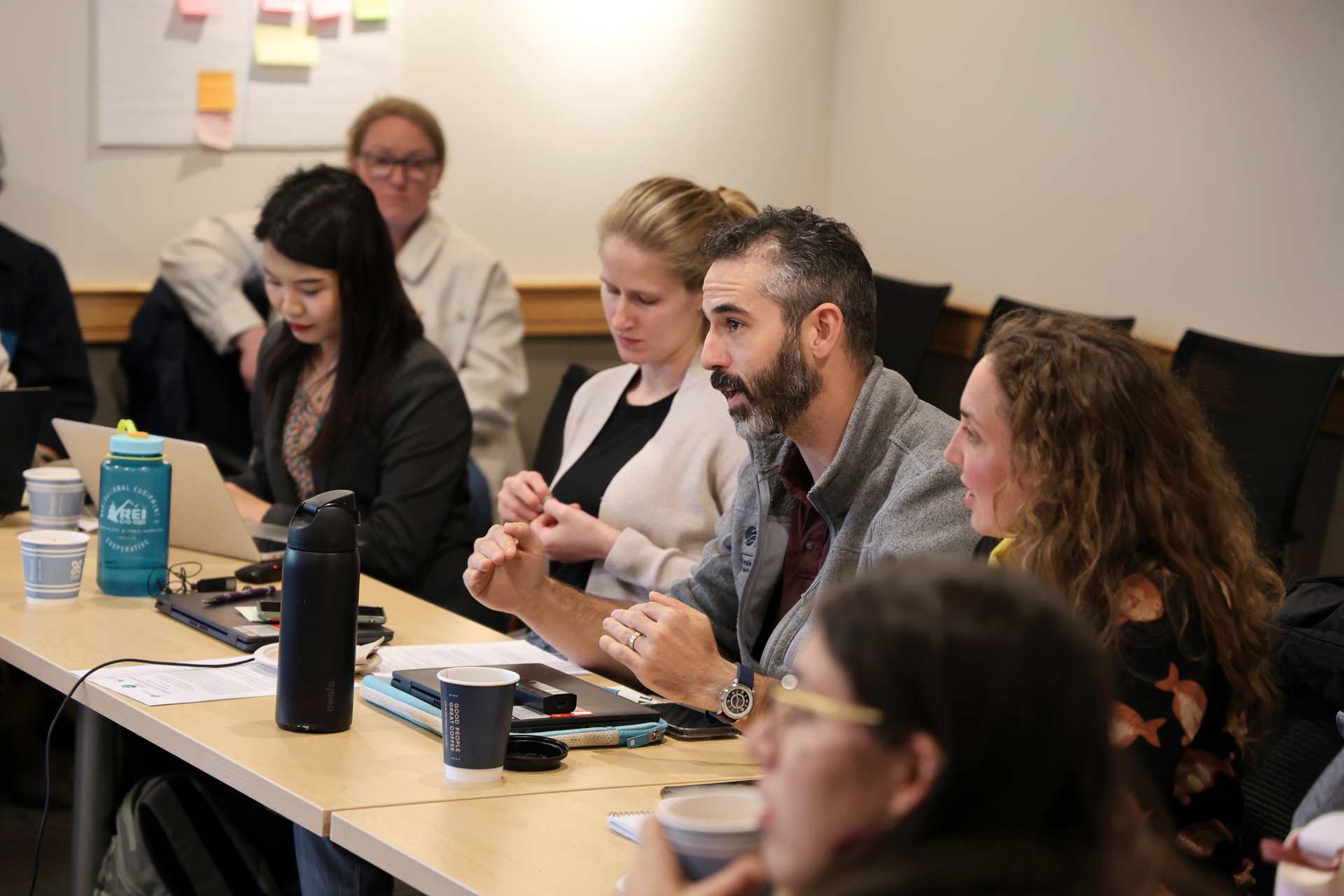
When water warms, marine species react. They might shift their ranges, show up in new places, or in some cases struggle to survive. Lobsters, groundfish, shellfish — each species has its own relationship with the conditions around it, and climate change is altering those conditions, forcing many of them to try to keep up. When the animals change, so does everything that depends on them.
Imagine a lobsterman who has worked the same waters for thirty years suddenly finds his traps coming up light. Their income might drop. They might need to cut back on fuel, on gear, or on crew members. Down the road, the seafood processor who buys the catch runs fewer shifts. The fishmonger at the farmers market has less to sell. The restaurant that sources locally rewrites its menu, raises its prices, or quietly stops serving certain dishes altogether. Families up and down the supply chain feel a change that started offshore, invisible beneath the surface.
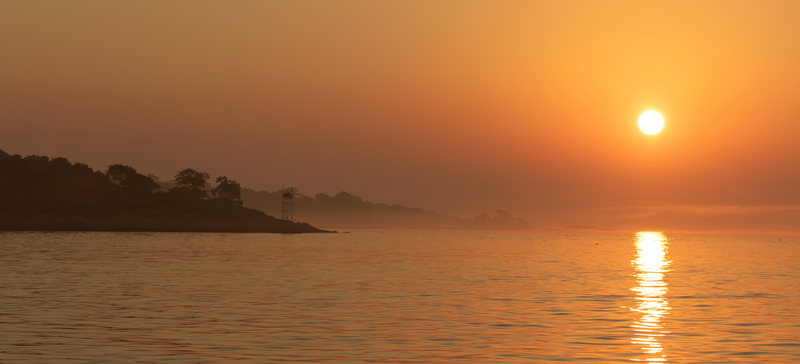
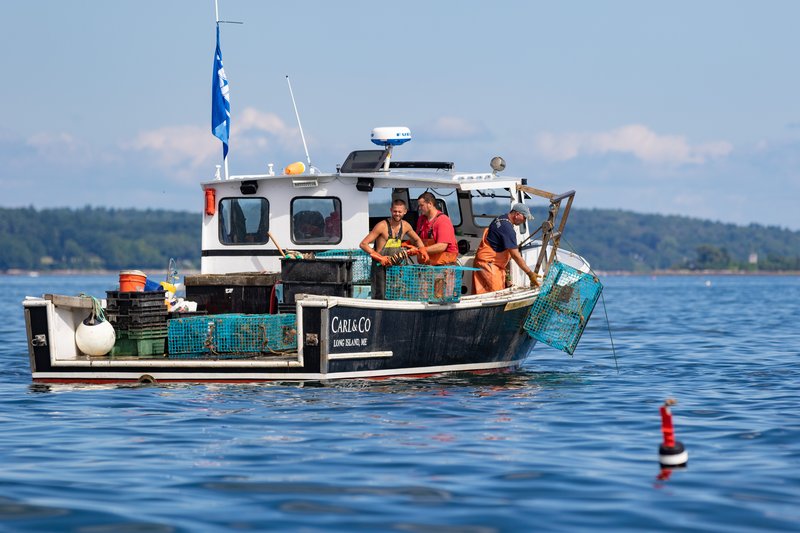
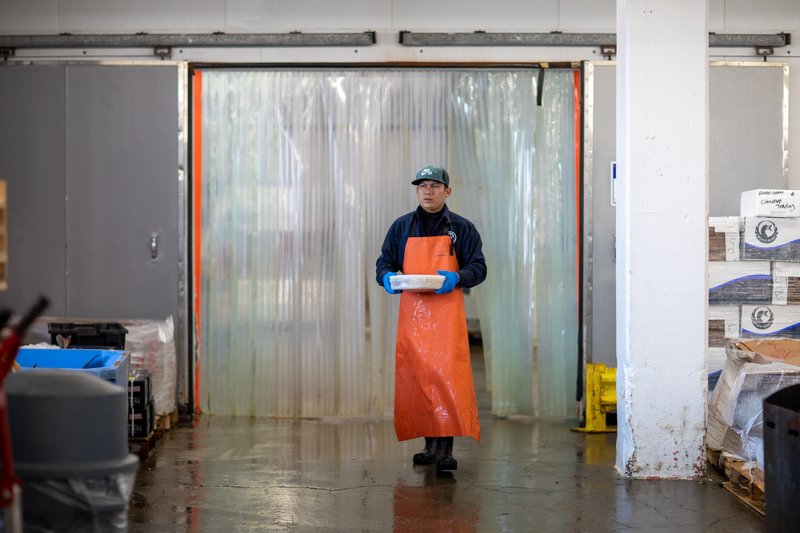
And sometimes, that change opens doors. A fisher pivots to catching a new species and finds a market for it. A restaurant discovers its customers enjoy trying a new species. Resilience and adaptation are part of the same story. They both enable people affected by changes in the ocean to respond to impacts and take advantage of new opportunities.
This is what climate change looks like in fishing communities. And it’s playing out in complex variations for coastal communities around the world.
A System Under Pressure
The Gulf of Maine is one of the fastest-warming ocean regions on Earth, and fishing communities here have had a front row seat to what climate-driven disruption and resilience looks like in practice. Some species that used to be abundant have shifted their ranges northward. Others, like black sea bass, that used to call the mid-Atlantic home are moving in. The timing of migrations that fishing seasons are built around are changing.
Researchers use the term “fishery system” to describe the full web of relationships that connects the ocean to the dinner table — the ecosystems that fish and other marine species live in, the people who catch and process them, the businesses and supply chains they support, and the policies and management decisions that shape how all the components operate. When climate changes pull on one of the threads in that web, the impacts can be felt everywhere.
Maine fishers are already adapting, season by season. Adapting is easier when they know what other communities facing similar pressures have tried, though.
FishSCORE2030 — Fisheries for Changing Oceans and Resilient Ecosystems by 2030 — is an international forum built around the idea that fishing communities don’t need to solve these problems independently. "FishSCORE2030 helps us draw insights from experiences in diverse fishery settings to develop information, syntheses, and tools that will support initiatives and decisions that enhance the resilience of marine fisheries as they experience multiple forms of change," says GMRI Senior Scientist and FishSCORE2030 Co-Director Dr. Kathy Mills.
Endorsed by the United Nations Ocean Decade, it brings together scientists, fishers, resource managers, and community members from around the globe to share what they’re learning and build solutions collaboratively. That approach is called knowledge co-production. Fishers, managers, scientists, and others work side by side from the start, rather than having findings generated in a lab and delivered downstream. The result tends to be more practical, more applicable and place-based, and more likely to actually be used.
No one community is experiencing the impacts of climate change on their fisheries the same way. But there are commonalities in those experiences, and there are commonalities in how we can adapt and be resilient to climate change.
Claire Enterline Program Manager
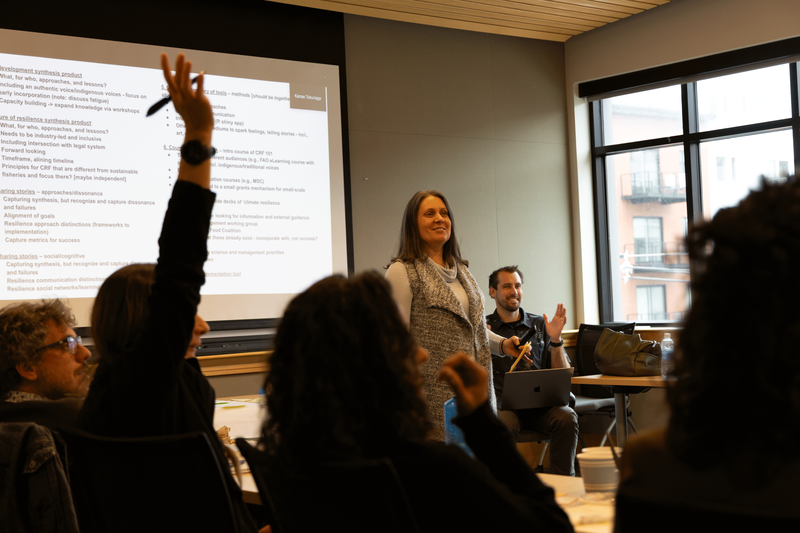
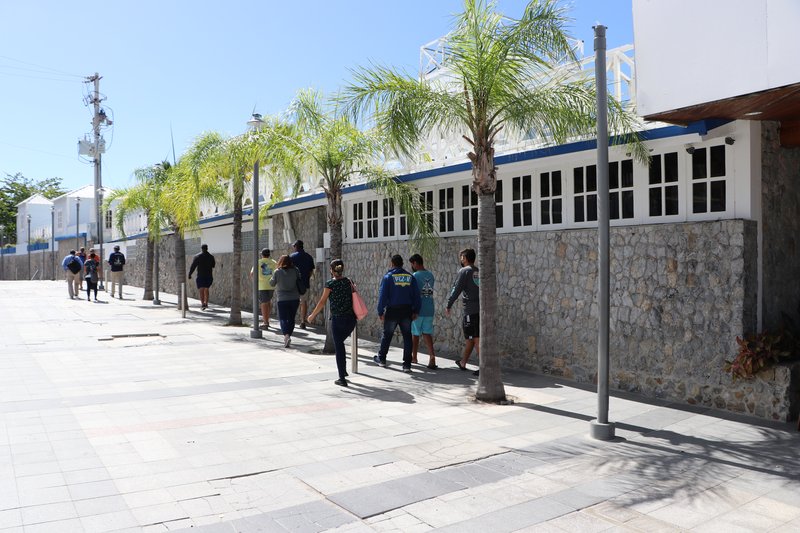
FishSCORE2030's workshops and working groups are where lessons from different regions are shared and new ideas are developed. People who are involved in fisheries in different ways, including management, community engagement, and research, from opposite sides of the world can openly share what they're seeing and how they're responding. FishSCORE2030 aims to synthesize those exchanges into materials published both through public forums such as the Ocean Decade, as well as scientific forums, so the lessons reach people far beyond the working groups themselves.
This work is anchored in a partnership between GMRI and the Environmental Defense Fund (EDF), who co-lead the program.
"The collaboration between GMRI and EDF is highly complementary. GMRI’s cutting-edge research focus combined with EDF’s science-to-policy agenda and global perspective helps ensure that the tools and strategies FishSCORE use are grounded in science, but also ready to be applied across diverse fisheries," says EDF scientist and FishSCORE2030 Co-Director Dr. Kristin Kleisner.
What Maine has to Offer
The Gulf of Maine’s rapid warming has given it an unexpected role in that global conversation. Research coming out of GMRI describing how species are redistributing, how ecosystems are reorganizing, and how those changes move through fishing communities and local economies, is increasingly relevant to regions that are earlier in the same warming trajectory. Scientists studying shifting species distributions here find their work resonating with colleagues in the western Indian Ocean and beyond, where researchers are asking the same questions: what surveys did you use, what temperature changes are you seeing, how are you combining plankton models with fish models, how are your fishing communities adapting, how is change being incorporated into fisheries management, and so on.
FishSCORE2030’s monthly webinar series is one of the ways that knowledge travels. Jointly hosted with other UN Ocean Decade programs, the webinars give researchers and practitioners, including PhD students and people from small organizations who might not otherwise have a global platform, the chance to present their work to an audience spread across the world. Connections made through those sessions have taken on a life of their own, with speakers and attendees continuing conversations long after a webinar ends.
“People learn from each other in ways that they didn’t necessarily think that they would,” says Claire. “It’s really important to bring people in Maine together to talk about these issues, and the effect is amplified when you can get people from Maine talking to people in Chile about what co-management looks like, and how it’s different and how it’s similar in the two places. It can spark ideas in a different kind of way.”
Lessons from Around the World
Climate change is reshaping fisheries in many different ways around the world, and some of the most useful lessons come from places facing pressures that haven't arrived here yet.
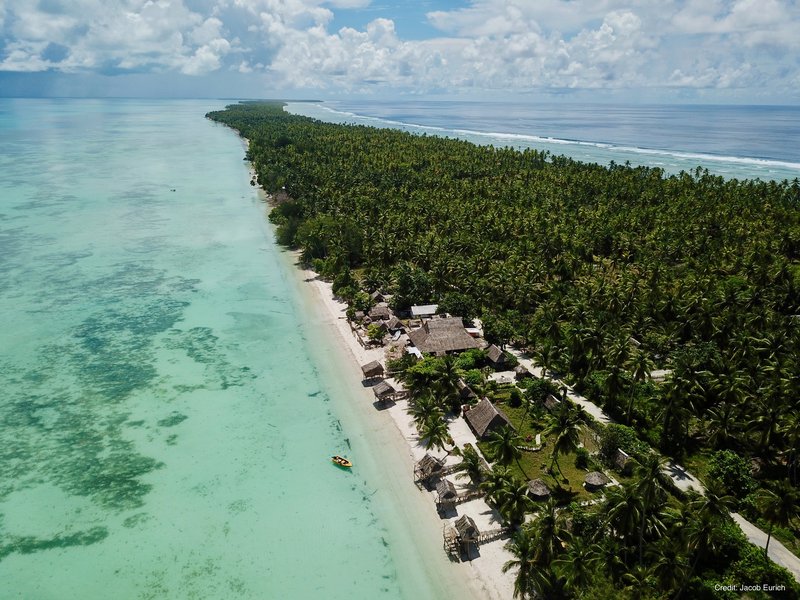

In Indonesia, one of the more pressing climate impacts has to do with typhoons. More frequent and more severe storms have pushed fishing communities to co-develop apps with fishers that deliver weather forecasts directly to people on the water, a practical safety solution built around the realities of life at sea.
In low-lying coastal regions, including parts of South and Southeast Asia and small island nations in the Pacific, sea level rise is forcing a different kind of adaptation. Communities there have experience redesigning dockside infrastructure, lessons that coastal fishing ports anywhere may eventually need.
Spain offers a particularly vivid example of how that global-to-local exchange works in practice. Marta Albo Puigserver, a researcher and FishSCORE2030 network member, studies small-scale fishing communities on two very different Spanish coasts — the Mediterranean shores of Mallorca and the Atlantic coast of Asturias. Her approach combines ecological data with something harder to quantify: the firsthand knowledge of the fishers themselves. "Many of the indicators we use in our climate risk assessment come from local ecological knowledge," she says. "We combine the databases we already have with what fishers are telling us, and build a map of risk." From there, her team works with fishing communities in participatory workshops to develop adaptation strategies together. This approach was designed to prevent what she calls maladaptation, the well-intentioned but ultimately counterproductive responses to climate change that happen when planners don't incorporate the firsthand knowledge of the people who fish those waters
That kind of participatory, ground-up process is exactly what FishSCORE is built to support and refine. Being part of the network has accelerated Marta's work in ways she couldn't have managed alone — including comparing notes with a colleague who had applied the same planning tool in Mexico, learning what had worked there and what hadn't.
We learn a lot from things that didn't work. Most of the time we miss that part but it's super important so we don't repeat the same mistakes. We don't need to reinvent the wheel.
Marta Albo Puigserver, Ph.D. Postdoctoral Researcher Spanish Institute of Oceanography
Working across the network, she's also noticed a pattern emerging: fishing communities everywhere are struggling less with the ecological dimensions of climate change than with the governance systems meant to help them respond. "What worries fishing communities most is their immediate, day-to-day challenges," she says. "How do you adapt when the governance system isn't built for the kind of flexibility that's needed?" It's a question being asked in the Mediterranean, in the Gulf of Maine, and in fishing communities around the globe.
The Value of Connection
For Claire, who spent years working in fisheries and marine habitat data collection and management before working with FishSCORE2030, the network has opened up conversations and formed collaborations with fisheries across the globe that bring lessons back to the Gulf of Maine — for example, how Spain’s trawl fishers are responding to shifting species, rotational management approaches in different parts of the world, and how fisheries data is collected and used across wildly different contexts.
Those conversations matter beyond the individuals having them. FishSCORE2030 is also producing synthesized research by pulling common threads from across the network’s case studies to surface insights that no single fishery could see on its own.

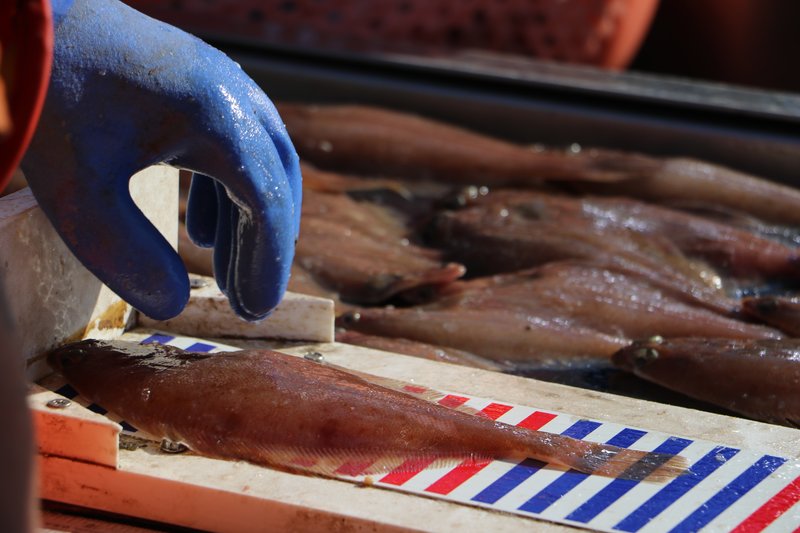
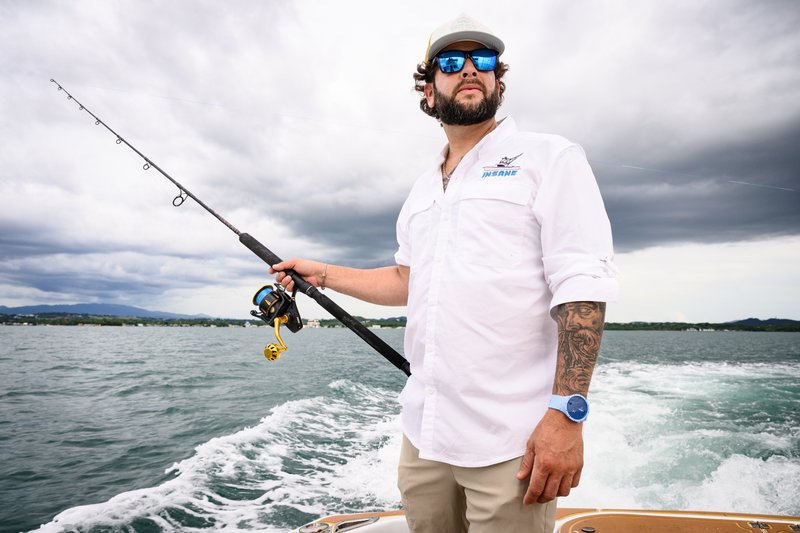
One finding is already emerging: knowledge co-production, the same collaborative approach that defines FishSCORE itself, appears in virtually every fishery adaptation effort that found success. “It just makes the world feel a little smaller,” Claire says of the connections the network builds.
Another lesson emerging from fishery systems around the world is that knowledge alone isn't enough. Many communities understand the challenges they face, but putting solutions into practice can be difficult.
A major focus moving forward will be understanding what's helping communities take action — and what's preventing them from doing so.
![the staff photo for Kathy Mills]() Kathy Mills, Ph.D. Senior Scientist
Kathy Mills, Ph.D. Senior Scientist
Kathy added that FishSCORE2030 will continue striving to connect fishery stakeholders with information and resources they need to take action to support resilient fisheries and fishing communities.
What’s next?
The ocean doesn't observe national borders, and neither does climate change. The lessons being learned in the Gulf of Maine — about how species move, how communities adjust, how a fishing economy can flex in the face of uncertainty — are relevant to fisheries far beyond New England. FishSCORE2030 works to make sure those lessons reach people who need them, and that lessons from elsewhere find their way here.
For Marta, the next frontier is closing the gap between knowledge and action. "A lot of tools are appearing, and a lot of literature, but we need to move from theory to action," she says. "Networks like this are going to be key — bringing scientific knowledge co-production not just among researchers, but into the policy and governance dimension."
That means giving fisheries managers something concrete to work with, says Jacob Eurich of EDF. "A lot of fisheries we work with have set resilience goals, but they want clear guidance on what to do next," he says. "Our work will build a framework that helps managers translate climate information into feasible actions within the decision-making processes they already use."
It's a vision that aligns closely with what Claire hopes FishSCORE makes possible over the next decade. "Lasting personal connections between people across the globe, to further their professional goals and their ability to do this kind of work in the future. Real changes in the ability of people to understand the impacts of climate change on all the different aspects of fisheries. And moving the needle on how management and policy is able to incorporate and adapt to climate change."
That work is already underway — one webinar, one working group, one conversation at a time.