Exploring the Gulf of Maine — A Closer Look At Local Species
Perspectives | May 13, 2026
The Gulf of Maine is full of all kinds of marine life. Some are familiar favorites like tuna and oysters, while others are lesser-known but equally as loveable characters, like lumpfish and monkfish. One thing is for sure – from deep-sea predators to tiny shoreline snails, every species plays a role in keeping our ocean ecosystem healthy. Here’s a closer look at a few of the species shaping our waters, fisheries, and coastal communities.
Monkfish
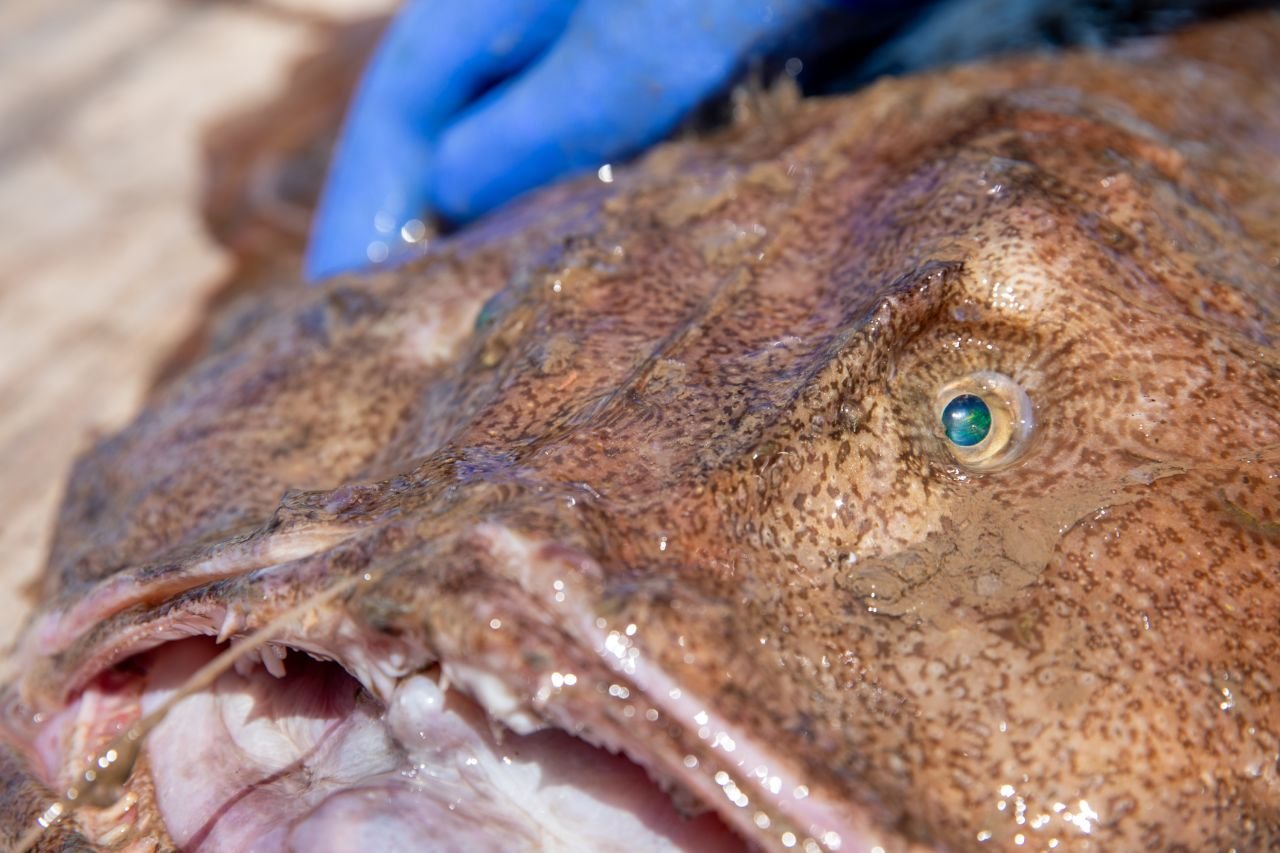
With a face only a mother could love, monkfish are one of the stranger looking residents of the Gulf of Maine.
They are creatures of the seafloor, living and hunting along the ocean bottom rather than in open water. Blending into sand and stone with remarkable camouflage, they wait patiently, built for the stillness of ambush.
Inside their very wide mouth is a ferocious set of teeth that sets them apart from many other Gulf of Maine species. Another unique feature is the esca on their head, a modified spine they use like a lure to attract their next meal.
Strange in appearance but delicious in flavor, monkfish are most abundant and at their peak quality in the winter months, though they’re available year-round. What’s most often sold locally are monkfish tails, sometimes compared to lobster tails for their firm, sweet meat. The cheeks are especially tender, proof that even the most unlikely-looking species can become a local favorite.
Periwinkle
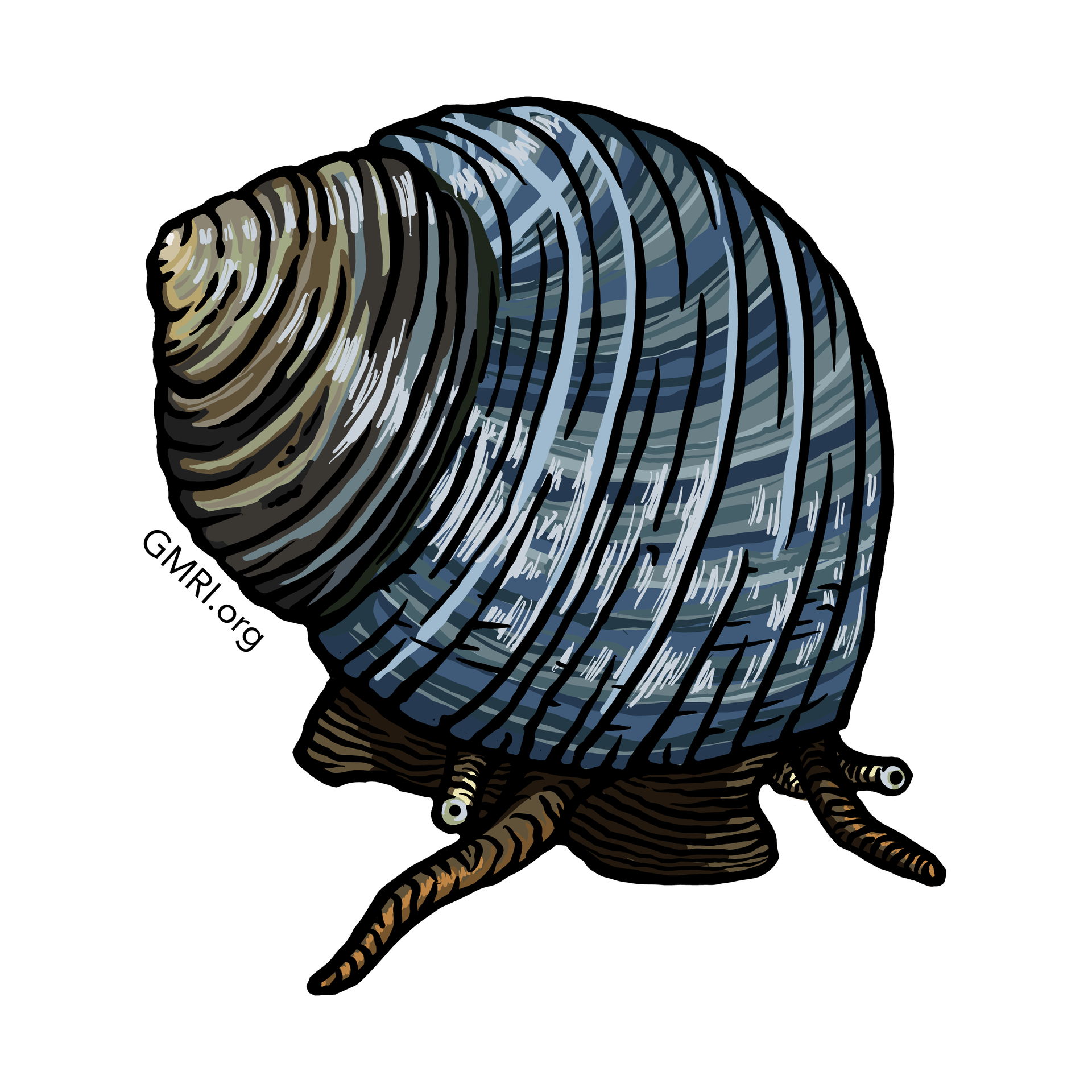
Say hello to the periwinkle: small but abundant in the Gulf of Maine!
Did you know?
- They use a tongue-like structure (called a radula) to scrape algae from rocks and seaweed.
- Though invasive, they’re an important snack for crabs, sea stars, fish, and shorebirds.
- These tough little snails can survive out of water for days by sealing in moisture and clinging tightly to rocks, pilings, and other hard surfaces at low tide.
Next time you’re walking along the shore, take a closer look and you’ll probably spot these little hitchhikers everywhere!
Sharks
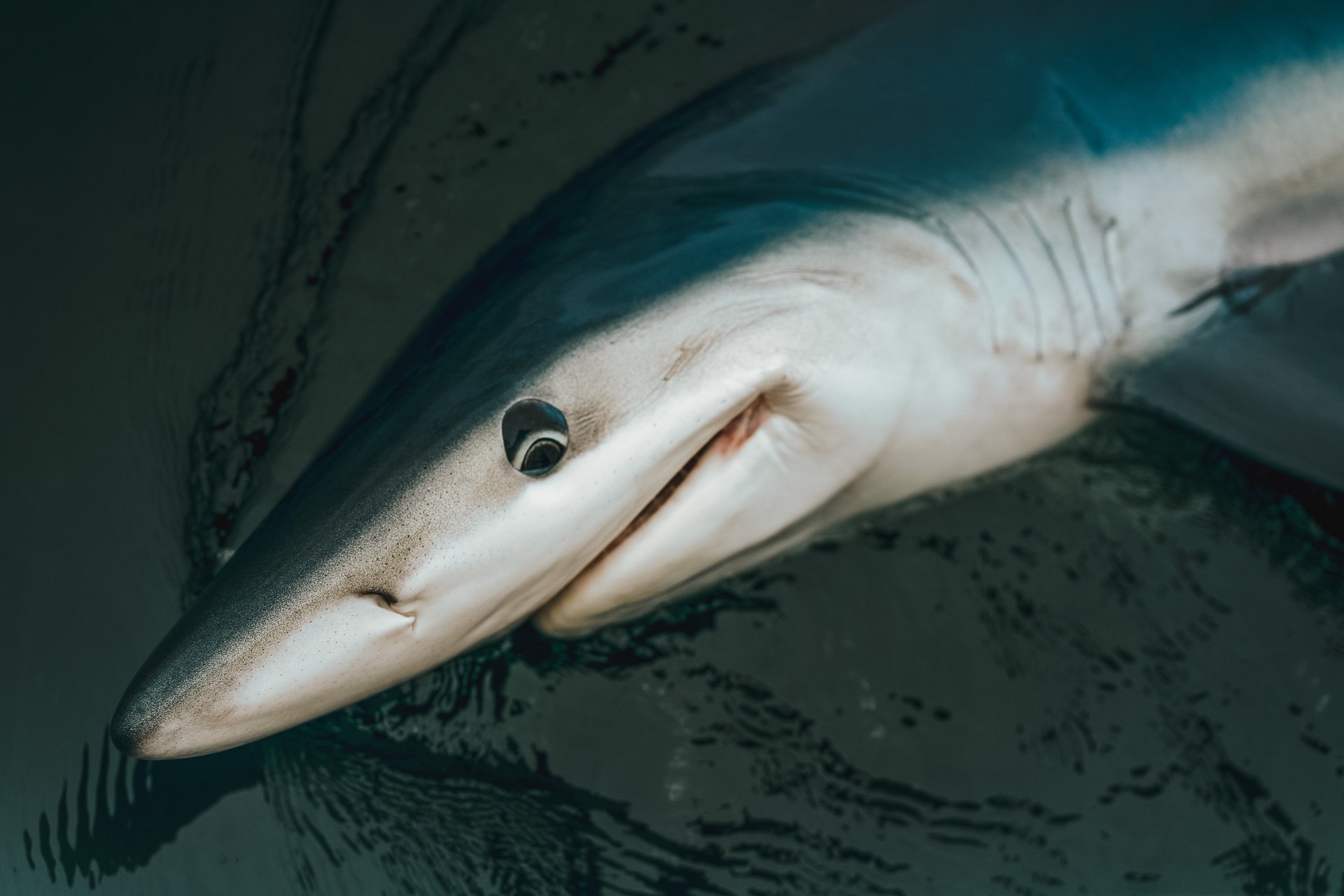
Did you know there are over 500 species of sharks — and many call the Gulf of Maine home? You can find blue, basking, mako, and even great white sharks (to name a few) in the deep ocean water in our region. Due to overfishing and global change, most of these sharks are declining in numbers.
Why should we care? Sharks are vital to a healthy ocean. They help keep marine ecosystems diverse and thriving! They even help keep other species populations healthy by hunting sick individuals.
Most sharks, like blue sharks, are cold-blooded and some dive deep to hunt for squid, then return to the surface to recharge and gain energy. Some sharks, like great whites and makos, are partially warm-blooded, which gives them a higher metabolism than cold-blooded species. This allows them to move faster and stay active in colder waters. In fact, makos are the fastest sharks in the ocean, reaching speeds of up to 45 mph!
Worried about sharks? You’re actually more likely to be killed by a vending machine than a shark!
But still, play it safe:
- Some experts recommend avoiding swimming at dawn/dusk when sharks tend to be more active
- Don’t wear sparkly jewelry, it can attract unwanted attention!
- Skip the water if there’s a sighting or lots of bait activity around you
Oysters
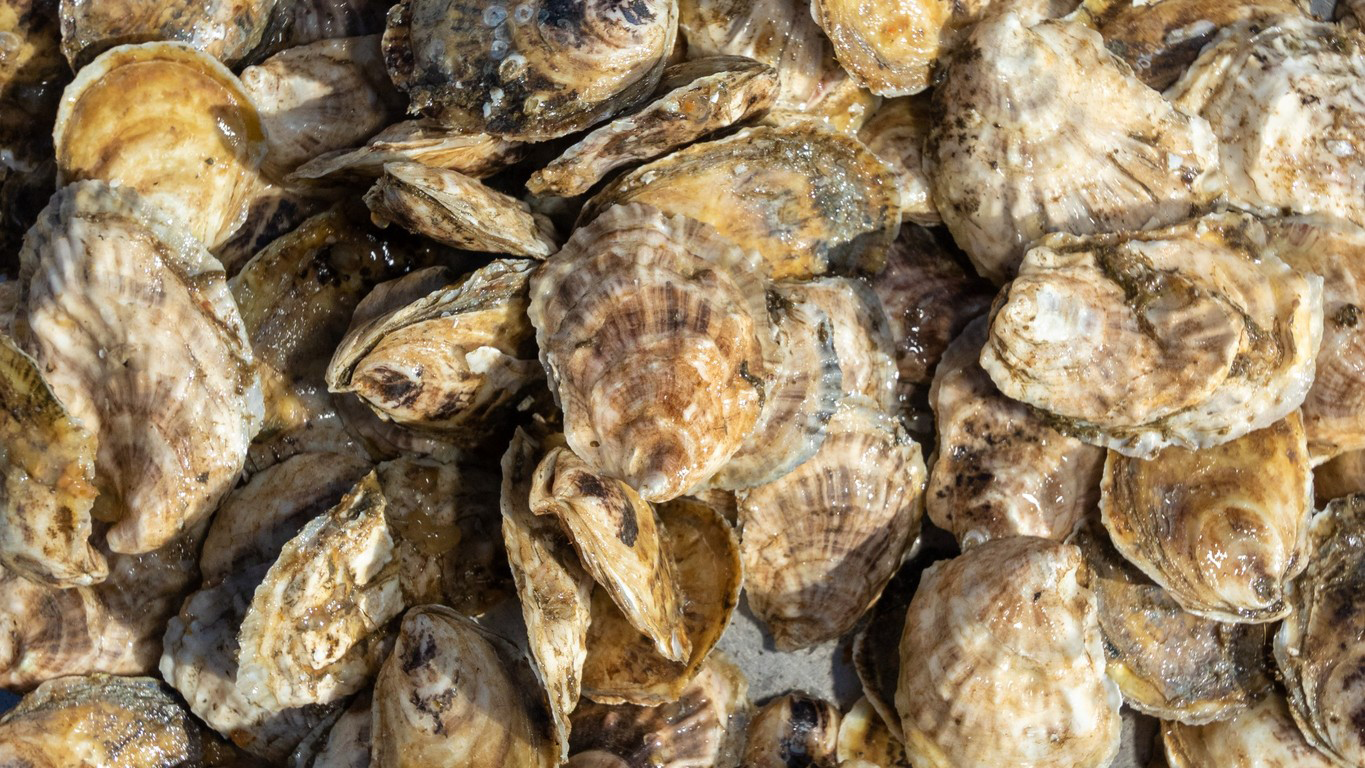
So what makes these mollusks — a soft-bodied invertebrate that often lives inside a hard shell — so popular? Oysters are native to the Gulf of Maine and take up to three years to grow into the full-size beauties you see at your local seafood market or restaurant. These powerhouse filter-feeders can clean up to 50 gallons of water a day, making them important to both our ecosystems and our economy.
We support the responsible growth of aquaculture as a key part of a healthy ocean ecosystem, a sustainable seafood system, and a resilient blue economy. By working with farmers, researchers, and industry partners, we help ensure aquaculture complements wild fisheries and benefits both the environment and Maine’s coastal communities.
Tuna
Meet the Tuna!
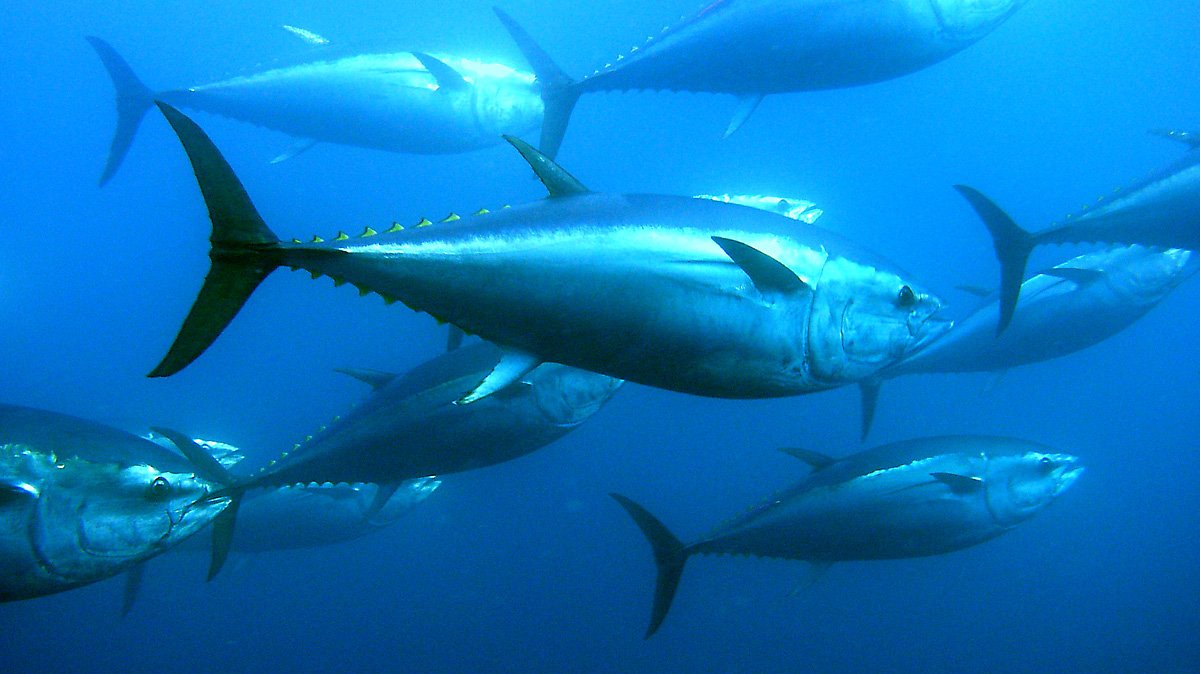
Atlantic bluefin tuna are fast, powerful, and local. They can grow over 13 feet long and weigh up to 1,500 pounds, and are built for deep, fast swims.
Despite their presence in our local waters, not everyone knows that bluefin is an important part of our local fishing industry. Why? Because even with thriving fisheries, the U.S. still imports ~90% of the seafood we eat. Local species like Atlantic bluefin tuna, Acadian redfish, and Atlantic pollock often get overlooked.
But that’s changing. More chefs and retailers are sourcing Gulf of Maine bluefin - celebrating it as a sustainably managed fish. From buttery toro to lean loin, chefs are finding creative, zero-waste ways to use every part of the tuna.
Eating sustainably can start with a question: “Is this Atlantic bluefin from the Gulf of Maine?”
Alewives
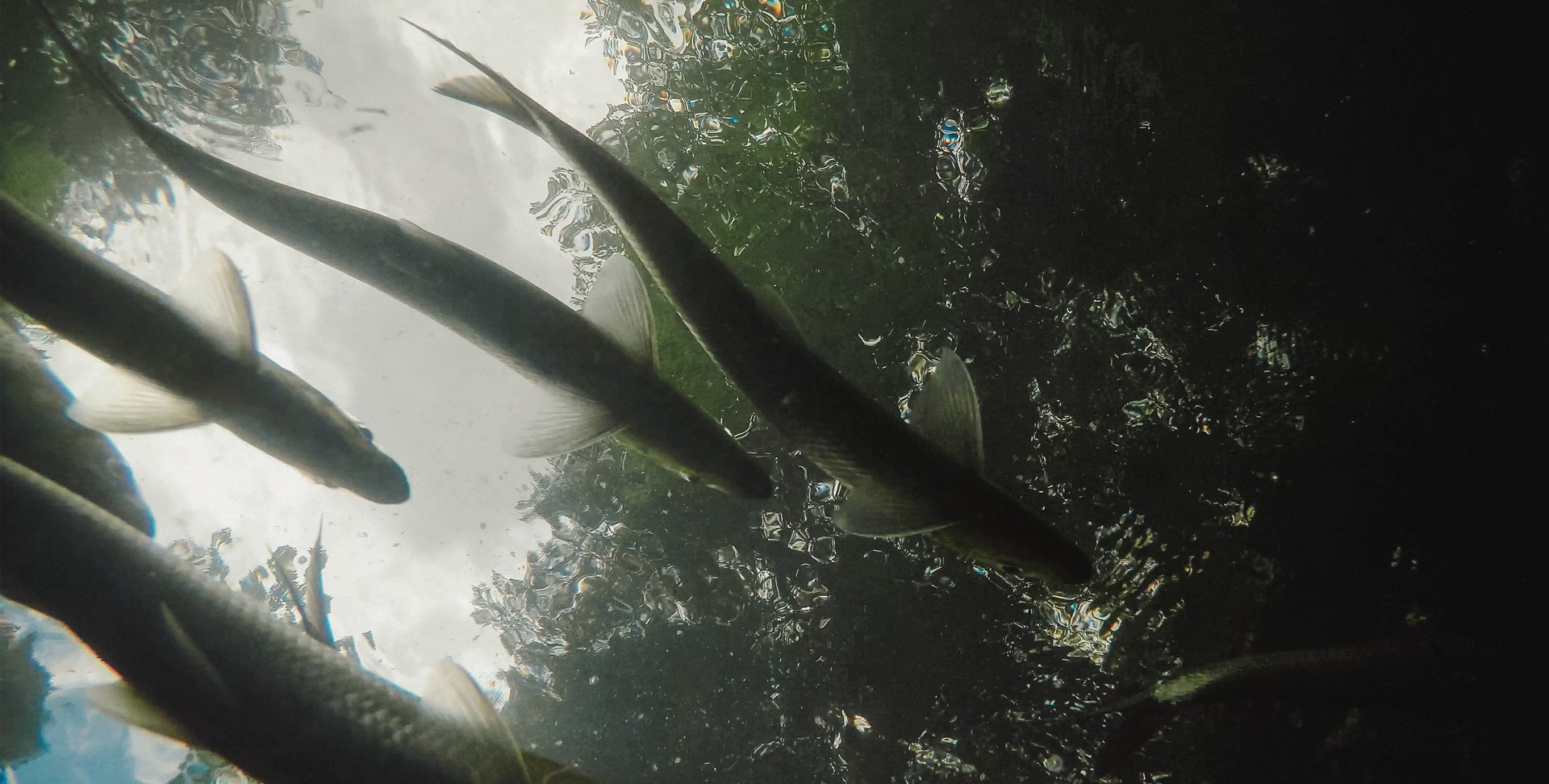
For just a few weeks each year, alewives make their way through Maine waterways to spawn. This journey happens every spring and only lasts a couple of weeks!
These silvery fish spend most of their lives at sea, returning each year to freshwater to lay up to 300,000 eggs. Along the way, they play a critical role across ecosystems. As they move between marine and freshwater, alewives become an important food source for fish, birds, and other wildlife. They also support Maine’s lobster industry by serving as a key source of bait.
By drawing predator attention upstream, they can even help protect young salmon. Growing up to 11 inches long and living as long as 10 years. Alewives are both resilient travelers and essential contributors to a healthy Gulf of Maine.
Supporting alewife migration in places like Mill Brook helps ensure these connections remain strong, benefiting ecosystems, fisheries, and coastal communities.
These fish are just a packet of nutrients. They're very oily, so they're a great meal for mammals, birds, other fish — and they bring ocean nutrients into freshwater systems.
Samantha Bengs Research Associate
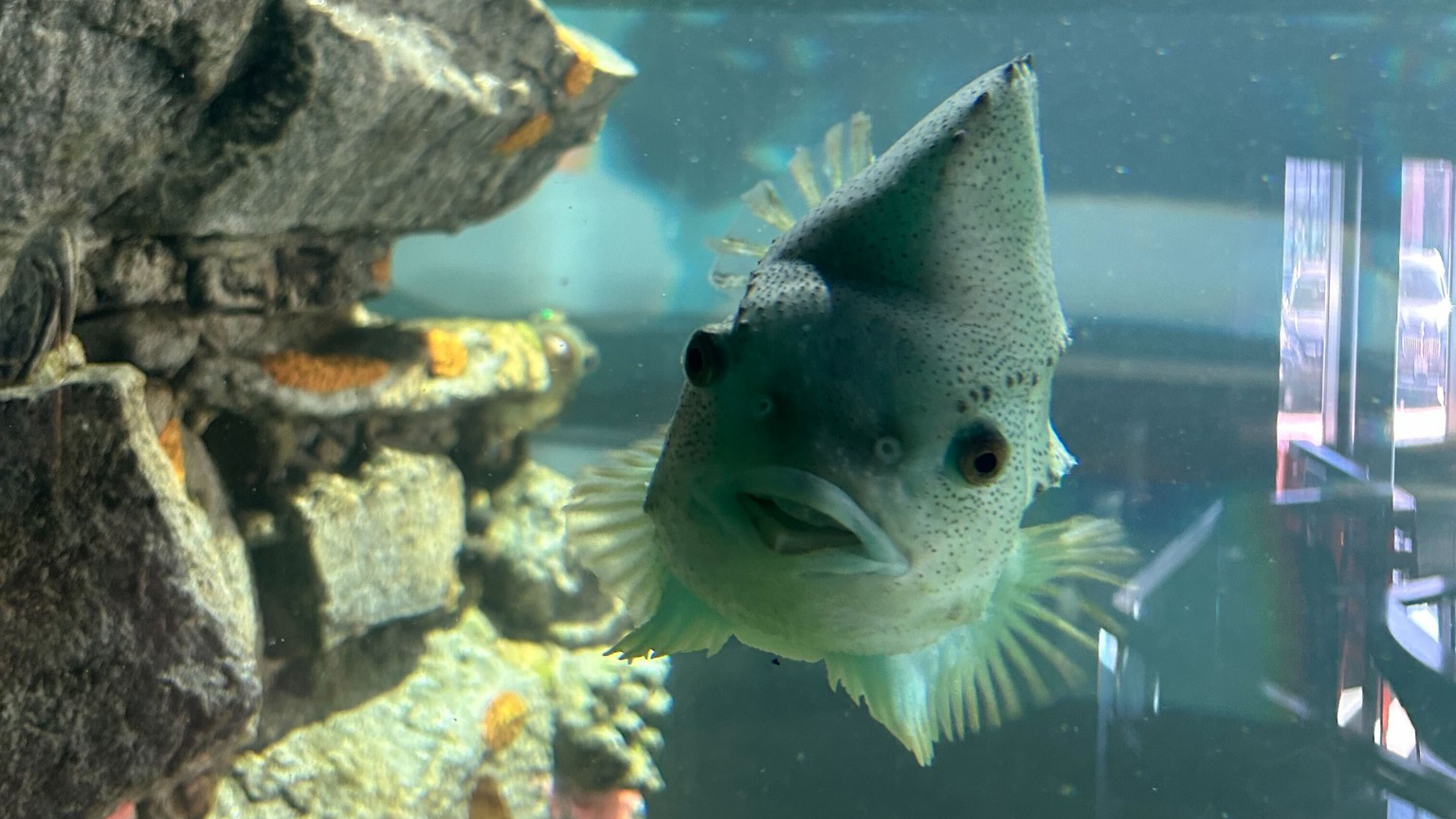
Lumpfish
So, what’s the scoop on lumpfish?
Native to the North Atlantic, they are found over in northern Europe as well. They have a unique body shape, with lumps or knobs running along its back, hence the lumpy name. They have a cartilaginous skeleton similar to sharks! They are quirky little fish, snacking on shrimp, jellyfish, small fish, and other crustaceans. In our tank, they’re more than happy to munch on mussel meat, herring, and other tasty treats.
In the Gulf of Maine, lumpfish are turning up in unexpected places. Lobstermen often find them hitching a ride in traps set along rocky bottoms. They aren’t exactly built for speed. Rather than strong swimmers, they tend to float or drift, bobbling along the water.
And yes, their roe is edible! Often used as a more affordable alternative to sturgeon caviar, it’s widely available, though it has a distinct taste of its own.
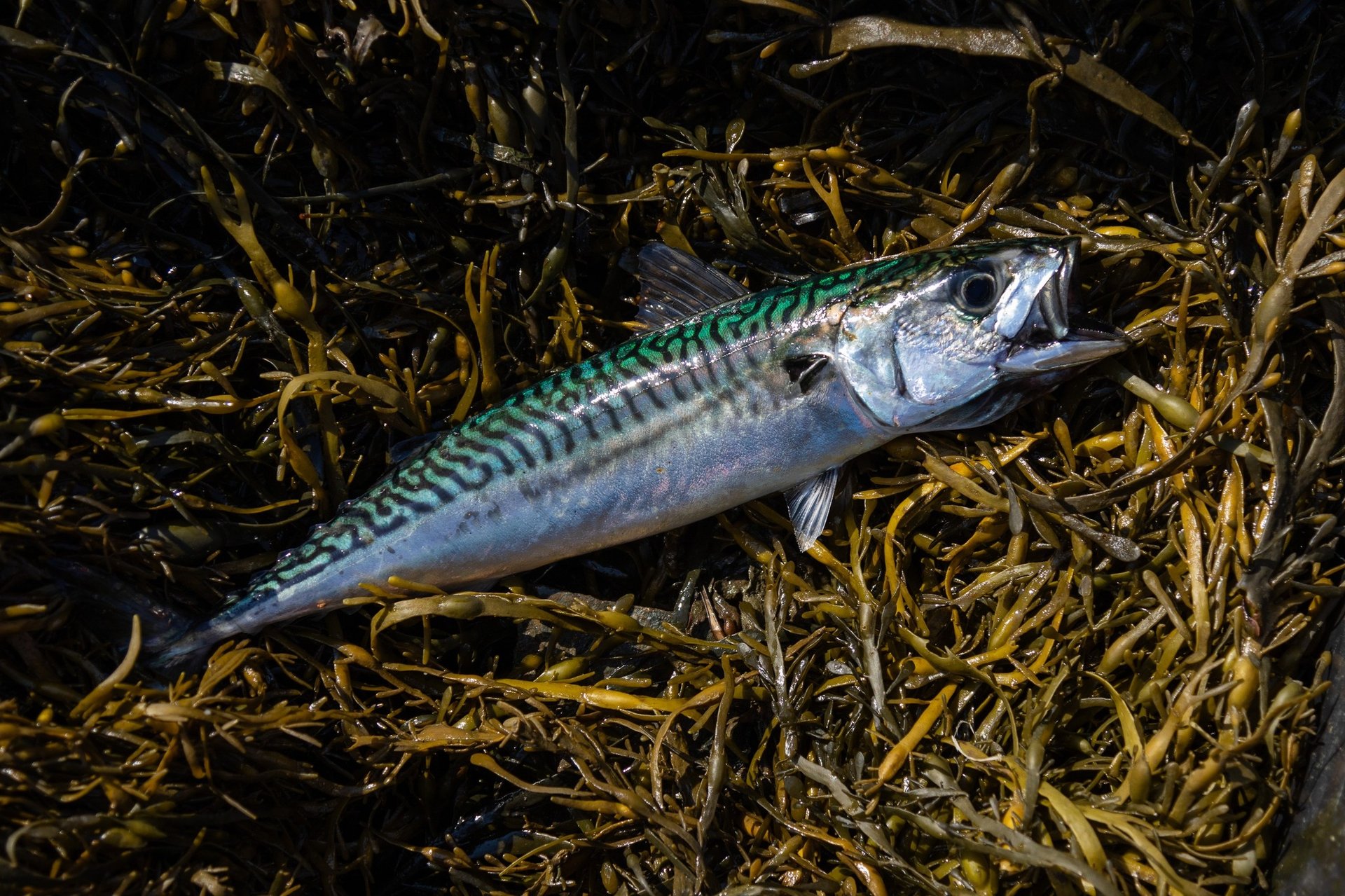
Mackerel
Let’s talk about mackerel!
Mackerel are a critically important part of the coastal and offshore ecology of the Gulf of Maine, eaten by anything that can catch them. Seasonal residents, they arrive in late spring/early summer chasing young Atlantic herring before heading offshore to overwinter south of Cape Cod in the Mid Atlantic Bight.
Mackerel are a sign of the season, targeted by recreational fishermen from the docks and often used as bait for striped bass and bluefin tuna. The commercial fishery takes place mostly over the winter and is limited with low quotas. While the stock has been considered overfished since 2019, thanks to effective management, it appears to be rebuilding and is becoming more abundant again in coastal Maine waters.
Being small and oily, mackerel are traditionally smoked in Maine. Our researchers even like to eat them as sashimi when doing field work!
Annual Ecosystem Reports
Each year, we produce a Casco Bay Ecosystem Monitoring report to keep track of the fish that call Casco Bay and the Gulf of Maine home. To learn more important species in the Gulf of Maine, explore our latest 2025 ecosystem report.