Community Science Wrapped 2025
Perspectives | Jan 20, 2026
Understanding how climate change is reshaping the Gulf of Maine, and New England at large, depends on steady, long-term observations — the kinds that reveal patterns over time rather than isolated moments. In 2025, community scientists across New England helped make that possible, contributing thousands of observations that deepen our understanding of local conditions.
As we reflect on the past year, we’re highlighting how these contributions supported our community science efforts and strengthened the connection between people and the places they call home.
Community Science at a Glance
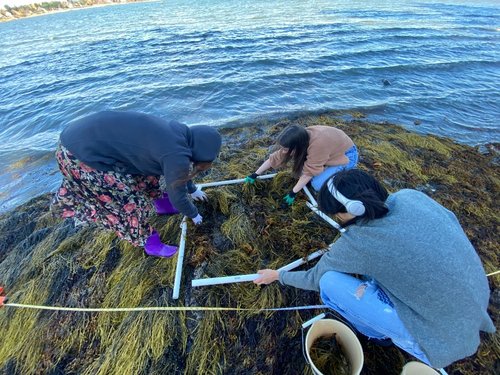
Community scientists, including thousands of students, across the Northeast helped us advance work on many important projects.
Community Science Contributors
Whether participating independently, joining an event, or as a student from one of the many participating classrooms, each volunteer contributed meaningful data.
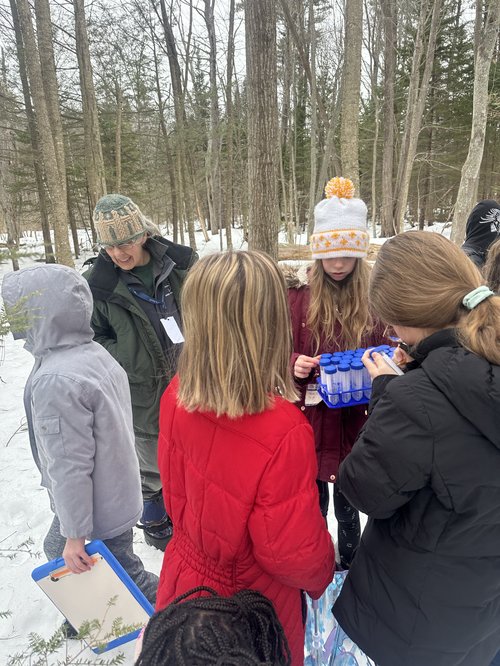
Participating Schools
Students make up the majority of the community science participants contributing authentic data to support research projects.
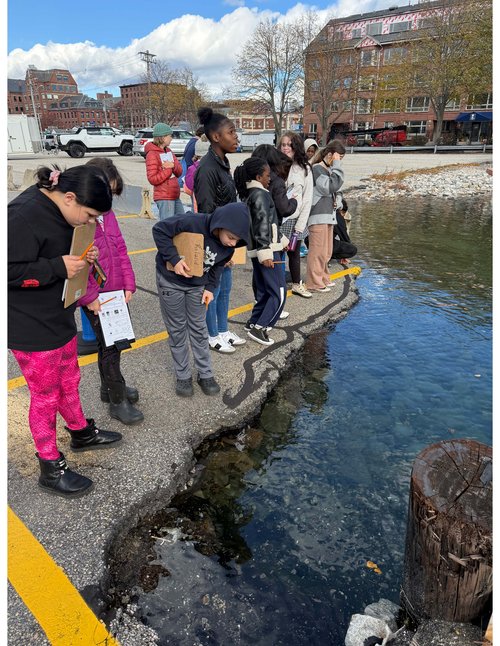
Community Science Events
With the help of partner organizations, we hosted both virtual and in-person events to collect data and discuss observations as project communities
Findings Articles Written
Students wrote and submitted community science related research articles, Nature Notes, and expressions of two-eyed seeing to the student journal, Findings from the Field.
Protecting Ash
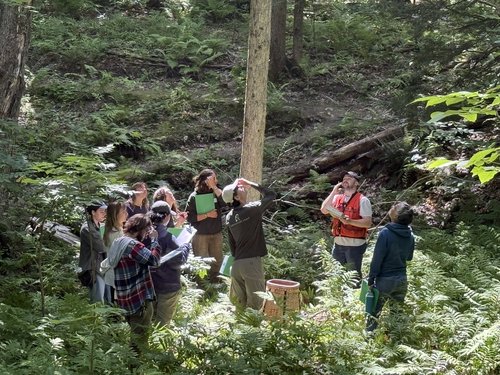
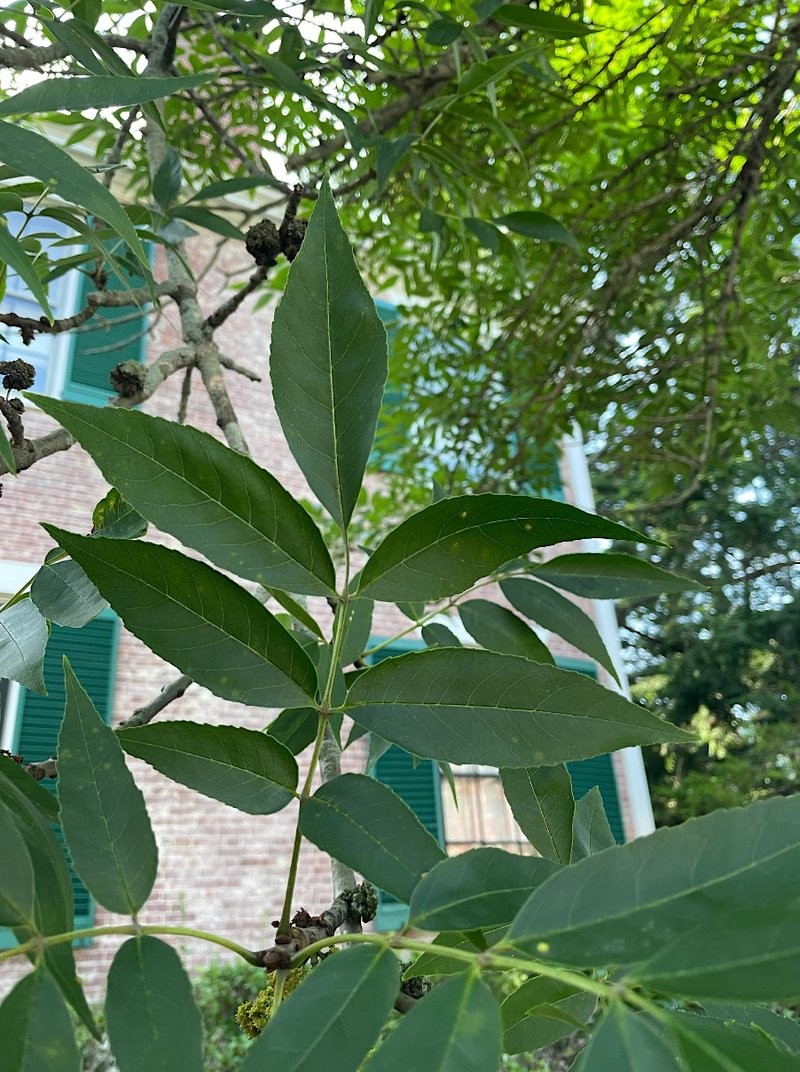
Protecting Ash for the Future: A Preservation Focused Inventory Project is in its second year on the Ecosystem Investigation Network! This year we received 57 observations, which is almost quadruple the number of observations we received in 2024.
Ten towns submitted observations, spanning six Maine counties. The data helps researchers, land stewards, and basketmakers identify healthy, lingering ash trees, seed producing trees for seed collection, and viable brown ash trees for basketmaking.
Elementary to high school students were the majority of the participants in this project, contributing 46 of the 57 observations this year.
Here are some reflections from students after participating in Protecting Ash for the Future:
“I notice more ash trees after doing this project because I never thought about them before, but now that I have done a unit with them, I think more deeply every time I see them.” — Penobscot Community School, Penobscot, ME
“I feel we need to protect our environment and take action quickly. I have learned lots of the importance of these trees.” — Lee Academy, Lee, ME
“I looked at trees differently after, I respected them more.” — Loranger Memorial School, Old Orchard Beach, ME
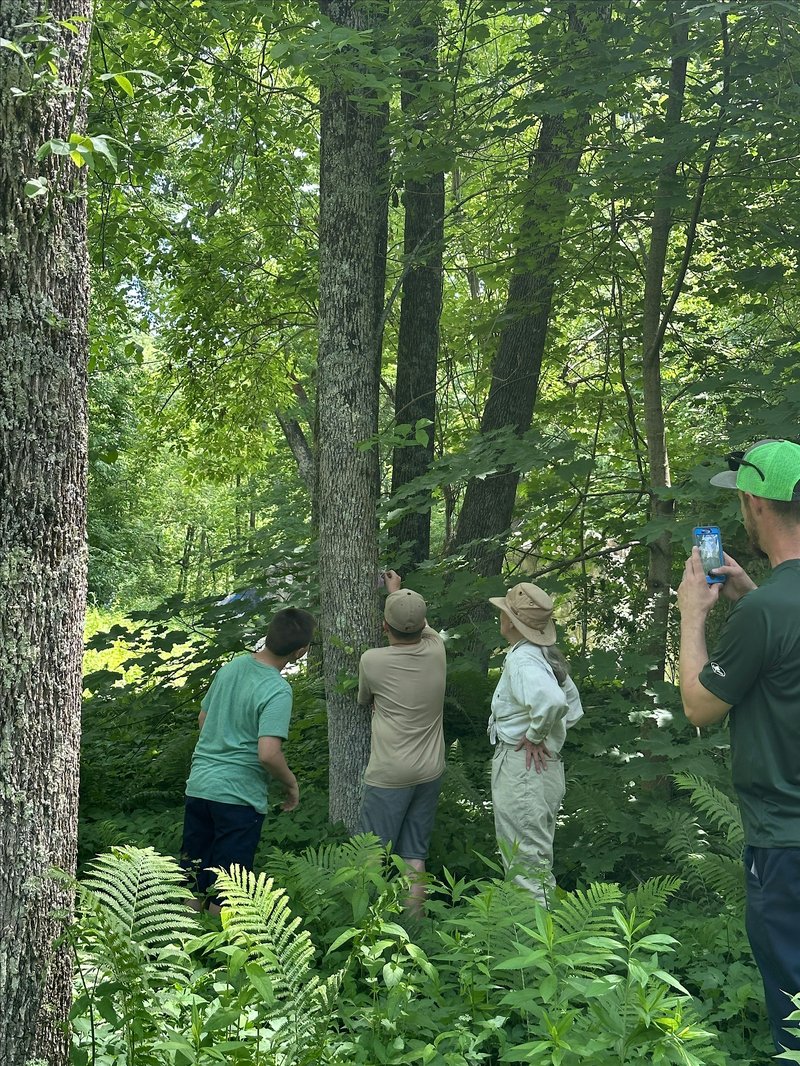
This summer, a new cohort of educators and subject matter experts met to learn about ash trees, understand how to contribute data, and most importantly to build relationships with each other and the ecosystem. The group met at Wilderness Pines Campground in Monticello, ME to share stories, meals, and many smiles! Read about some highlights from educators in this blog.
Inland Flooding
We launched a new project this year! In collaboration with the Center for an Ecology-Based Economy, the Androscoggin River Watershed Council, Oxford County Emergency Management Agency, and The Nature Conservancy, we launched the Inland Flooding: Rising Above Rising Waters project. The project is designed to support inland communities in monitoring and documenting the rapidly changing conditions in Maine’s most flood prone and vulnerable inland areas. Students at Telstar High School in Bethel, ME adapted the protocol from the Coastal Flooding: Storms and Sea Level Rise project to better serve inland communities. You can learn more about their work here.
The goal of the project is to identify and document vulnerabilities, inform land use planning, improve Oxford County’s Hazard Mitigation Plan, and integrate project data with the National Weather Service and other sources for a more comprehensive understanding of flood damage and impacts. The project aims to also be a place to collect stories of the social and emotional impacts of flooding events — stories of personal and community-wide hardship; tales of loss, determination, innovation, heroism, and more.
Hemlock Woolly Adelgid
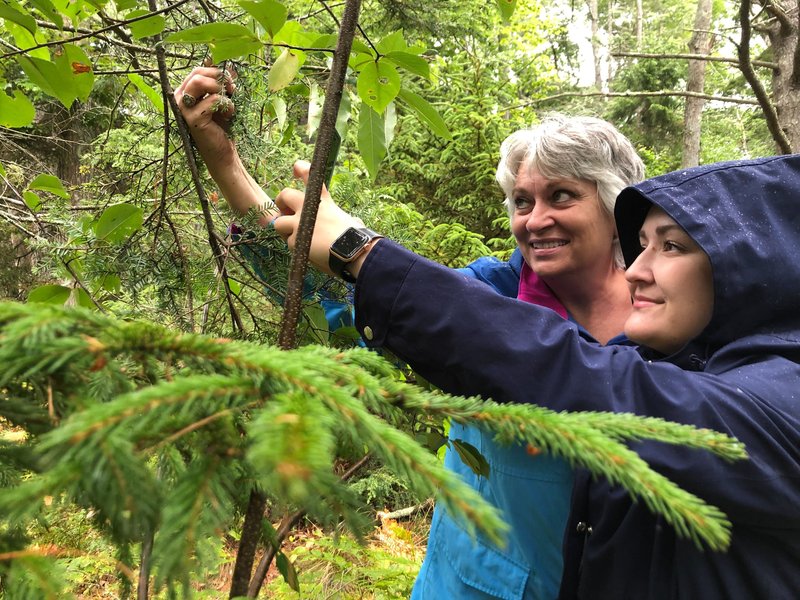
Hemlock Woolly Adelgid (HWA) is an invasive pest that has been impacting the health of hemlock forests in the US, and is now spreading into the Northeast. Project Hemlock Woolly Adelgid asks participants to monitor hemlock trees for HWA to understand where HWA is and to inform management strategies that state and local agencies, schools, and communities can implement.
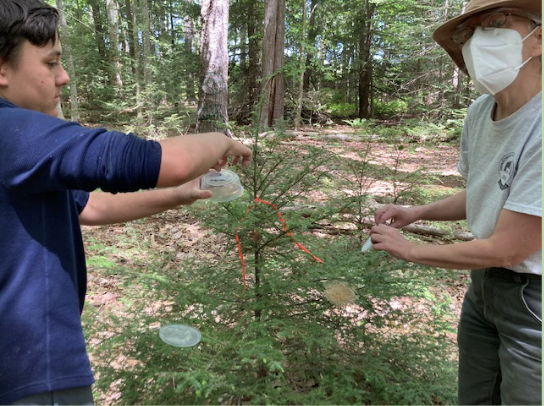
This year, Colleen Teerling from the Maine Forest Service posed the questions, ‘are warming temperatures impacting the life cycle of HWA? And more specifically, is there a difference in timing of the “crawling stage”?’. Teerling asked if any experienced community science participants would be interested in collecting samples from their community to start collecting data to answer these questions. Students from Loranger Memorial School in Old Orchard Beach, ME were ready to answer the call. Together, they created a protocol for collecting samples of HWA which the Maine Forest Service used to analyze the beetle's life stages. Sample collection will continue in 2026 with hopes to build out a broad, long term dataset.
Thank you to all who have contributed data in 2025. We can't wait to see what you observe in 2026! Fill out this form to sign up for communications and support for the upcoming field seasons.