Findings from the Field Symposium Highlights the Power of Student Science
Perspectives | Apr 16, 2026
On March 30, more than 100 students from across Maine and New Hampshire gathered at Unum for the annual Findings from the Field Symposium — an event that continues to grow in both scale and impact.
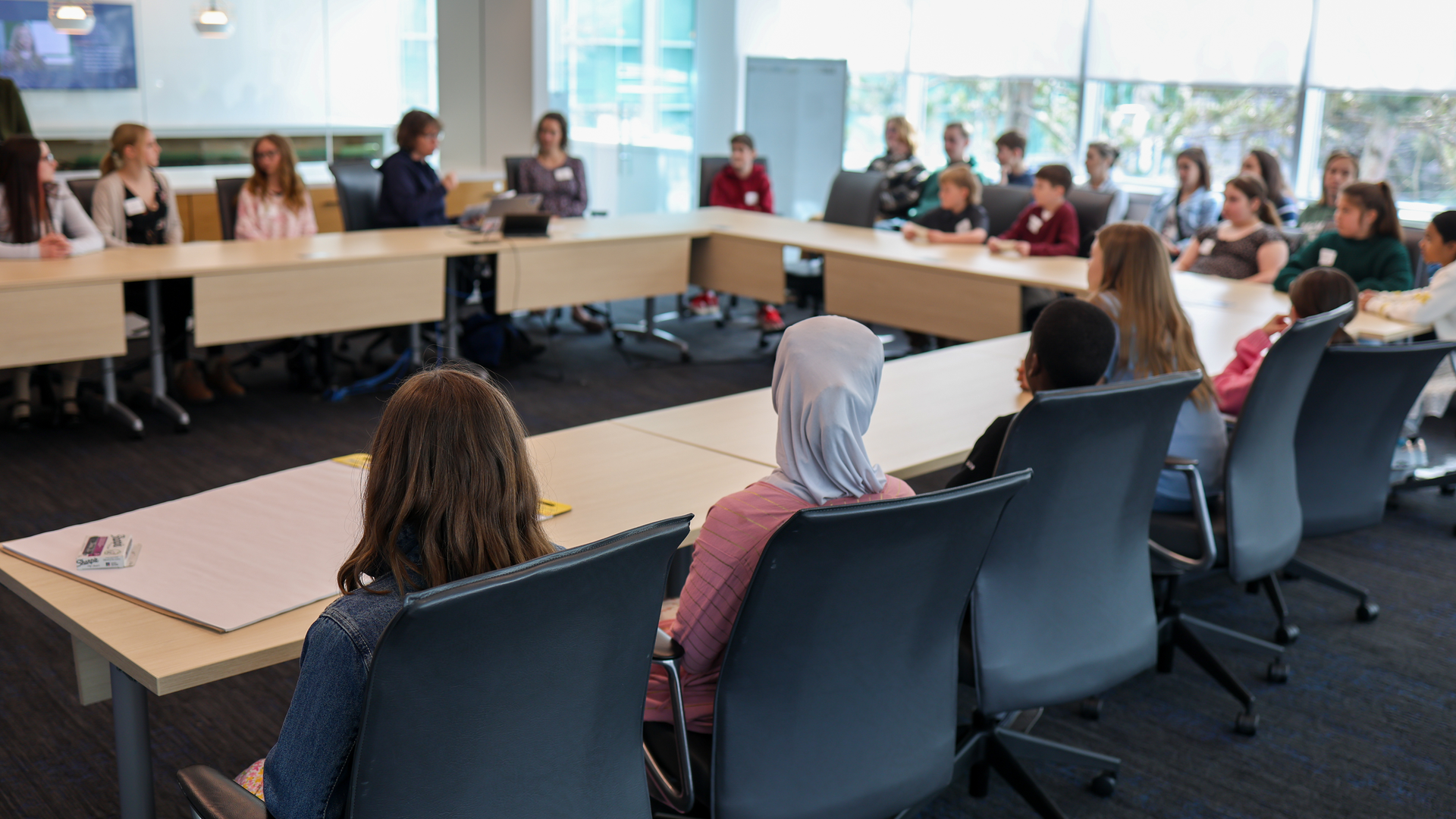
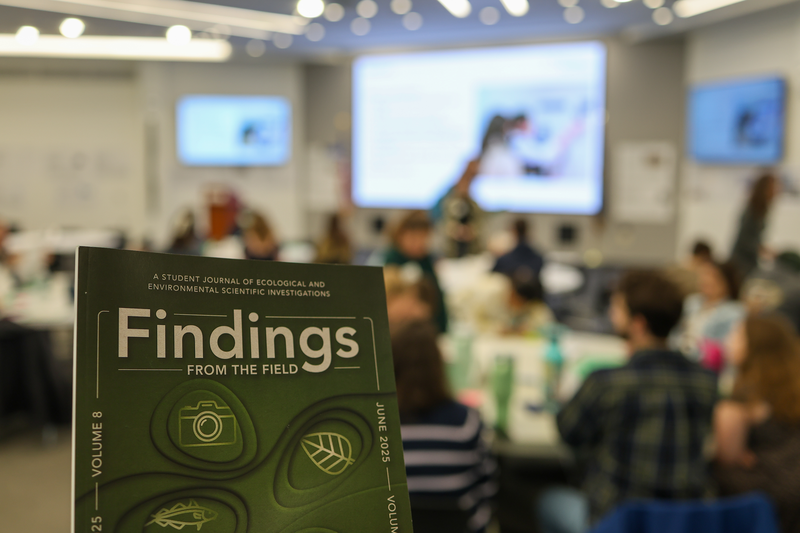
Designed as an extension of the Findings from the Field journal, the symposium brings together students, educators, and professional scientists to share research, exchange ideas, and build a broader scientific community. This year’s event welcomed 106 students grades four through eight, 29 educators, and 15 subject matter experts, and featured 68 research posters, 14 lightning talks, and five discussion sessions.
At the core of the program is a simple but powerful premise: students have valuable contributions to science. Through the journal, middle school students develop research questions, collect and analyze data, and publish their findings — participating in student-led peer review just as professional scientists do. The symposium builds on that experience, offering opportunities for students to exchange ideas, build curiosity, and gain inspiration for further research.
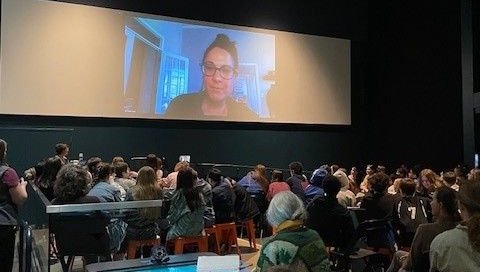
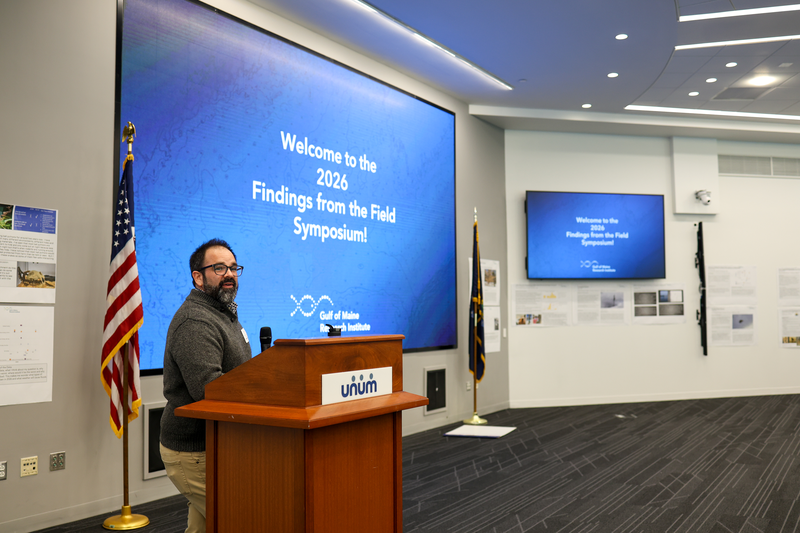
The day opened with a keynote from GMRI Chief Impact Officer Dave Reidmiller, who emphasized that “science is a team sport.” That theme carried throughout the day, as students presented alongside high school peers and professional scientists in small-group discussions and flash talks.
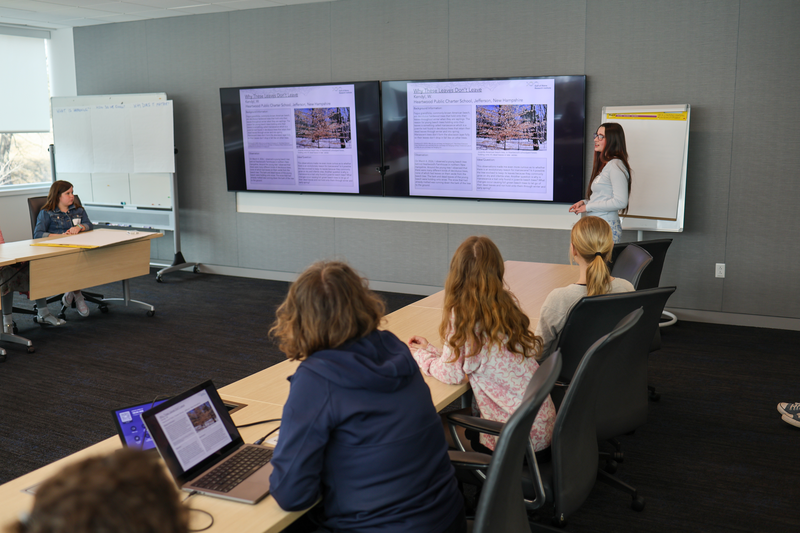
These sessions created space for meaningful exchange where students shared findings, asked questions, made connections, and explored how their work fits into larger scientific challenges. Subject matter experts, including leaders from the Maine Forest Service and scientists affiliated with NASA, engaged directly with students, reinforcing the relevance of their research.
In the afternoon, students presented posters, practicing how to communicate their work clearly and confidently. For many, it was an opportunity to step into the role, and truly identify as scientists.
That identity is central to the program’s impact. Findings from the Field helps students see that science is not limited to labs or people with advanced degrees — it starts with curiosity about the world around them. In some cases, that curiosity leads to tangible outcomes. Students in Old Orchard Beach, for example, identified the presence of the invasive hemlock woolly adelgid and connected their findings with the Maine Forest Service, contributing to efforts to manage its spread.
This year’s move to Unum’s campus reflects the program’s continued growth and the importance of strong partnerships. Unum’s support made it possible to expand the symposium and create space for a larger, more connected community of learners and practitioners.